
Influencer Platform: How It Works and Which One to Choose in 2026
TL;DR: An influencer platform is a service that connects online creators with brands: an influencer finds paid and barter collaborations there, while a company finds vetted creators and UGC content without tedious searching. Which platform to choose depends on whether you're a creator looking for gigs or a business looking to run campaigns.
People type "influencer platform" into Google for two completely different reasons. Creators want brand collaborations and money for content. Businesses want to reach influencers without sending hundreds of Instagram messages. This guide answers both questions and shows what working with such a platform actually looks like in Poland and Central Europe in 2026.
What is an influencer platform and how does it work?
TL;DR: An influencer platform is a digital marketplace for collaborations: creators set up profiles and apply to campaigns, while brands post offers, pick creators, and manage the collaboration in one system — instead of searching manually through social media and emails.
The mechanics are similar almost everywhere. A creator signs up, links their social media accounts or portfolio, and goes through verification. A brand publishes a campaign: it describes what content it needs (a product review, a restaurant visit, a UGC video for ads), what it offers in return, and who it's looking for. Then creators apply, or the platform matches profiles to campaigns automatically.
The biggest value of a platform lies in what it eliminates: manually searching through profiles, email negotiations that go unanswered, unclear terms, and the risk that the other side disappears halfway through the collaboration. Good platforms vet creators before admitting them to campaigns, organize communication, and make sure both sides follow through on their commitments. We cover this category of tools in more depth in our guide to influencer marketing platforms.
The line between an "influencer" and a "UGC creator" is increasingly blurred. Some campaigns require posting on the creator's own profile — classic influencer marketing. Others only require delivering content that the brand will use in its own channels and ads — that's UGC. For a creator, the takeaway is simple: you can earn money even without a large following.
What types of influencer platforms exist?
TL;DR: Platforms fall into four main types: collaboration marketplaces (barter and paid campaigns), influencer search databases, campaign management tools, and UGC platforms focused on content rather than reach. Many services combine several functions at once.
Before picking a platform, check which model actually fits your situation:
| Platform type | What it does | Best for |
|---|---|---|
| Collaboration marketplace | Connects creators with brand campaigns (barter and paid) | Micro-influencers, UGC creators, small and medium-sized businesses |
| Influencer database / search tool | Lets you filter millions of profiles by reach and demographics | Large brands and agencies with their own team |
| Campaign management tool | Organizes briefs, communication, reporting, and payments | Companies running multiple campaigns in parallel |
| UGC platform | Focuses on content for brand channels, not on the creator's reach | E-commerce and local businesses that need content |
Marketplaces are the most popular starting point on both sides: creators see concrete offers, and companies see concrete candidates. Databases only make sense at large scale, since finding a profile is just the beginning of the work. UGC platforms are growing the fastest. Brands increasingly need authentic video for ads and online stores more than a one-off post on someone else's profile — we explain this in our article on what UGC is and why brands build marketing around it.
How can an influencer find collaborations through a platform?
TL;DR: Build a complete profile with a portfolio, start with barter collaborations to build a track record of completed campaigns, and treat every brief like a client assignment. Brands on platforms choose creators based on profile quality and reliability, not just follower count.
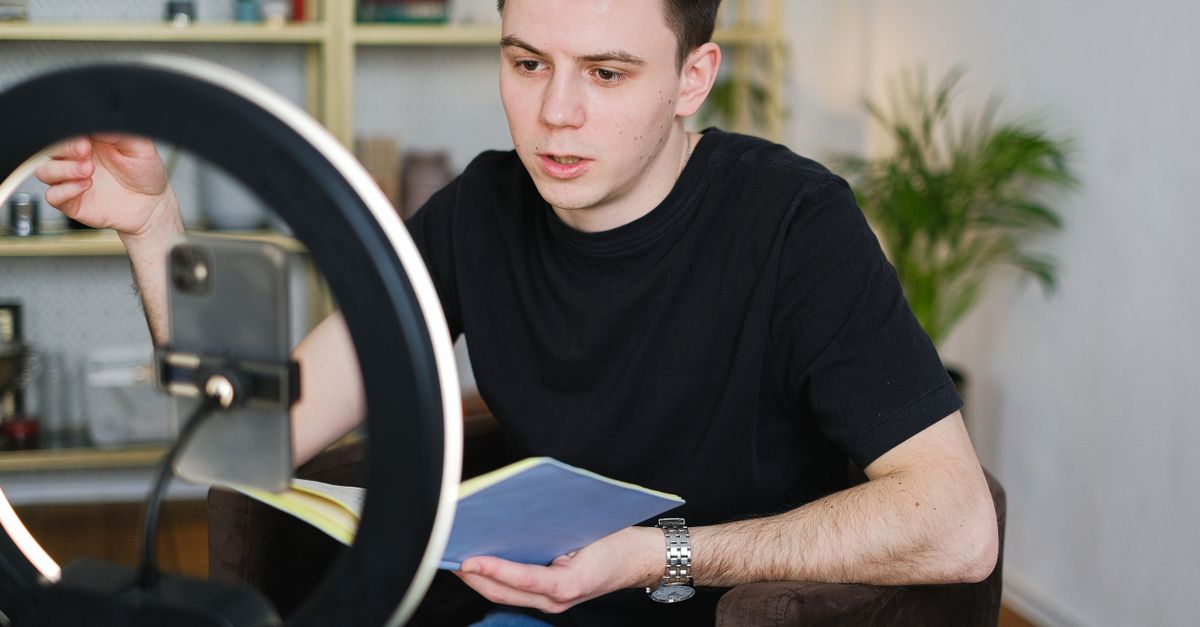
A platform solves the hardest problem a beginning creator faces: where to find collaborations when no brand knows you yet. Instead of sending cold messages, you browse real offers and apply to the ones that fit your niche.
A few rules that genuinely improve your chances:
- Polish your profile. A photo, a description of your niche, sample content. A brand spends only a few seconds making a decision. Your profile has to speak for itself.
- Start with barter deals. A product or service for content is the fastest way to build a portfolio and get your first reviews. We explain exactly how this works in our guide to barter collaborations.
- Read briefs carefully. The biggest mistake creators make is delivering content that doesn't match expectations. If a brand asks for a vertical video with the product in use, deliver exactly that.
- Meet deadlines. Platforms remember collaboration history. A reliable creator with a small following will beat a star who's weeks late.
- Label collaborations as required by law. Commercial content must be clearly disclosed. It's a legal requirement and the standard on every serious platform.
Over time, barter deals naturally turn into paid campaigns. Brands come back to creators they've already vetted, and rates grow along with your portfolio.
An influencer platform from a business perspective: how to order UGC for an e-store or local business
TL;DR: A business uses a platform the opposite way a creator does: it posts a campaign with a brief, chooses from among applying, verified creators, and receives content or visits — on a barter or paid basis. It's a cheaper, faster alternative to an agency, especially for e-commerce and local businesses.
Do you run an online store, a restaurant, a hotel, or a beauty salon? A platform is the simplest way to get regular content from creators — no agency, no manual profile hunting required. The process looks like this:
- Define your goal. UGC video for ads and product pages? Posts on creators' own profiles? Or visits to your venue that generate stories and reels?
- Post a campaign with a brief. Describe the product, the content format, the style, and what you're offering: a product, a service, or a budget.
- Choose creators. Verified creators apply on their own. You evaluate their profiles and portfolios instead of searching blindly.
- Collect the content and put it to use. The best UGC content keeps working for months afterward: in ads, on product pages, on social media.
For small and medium-sized businesses, cost predictability is what matters. On CreatorPass, brands work with over 1,000 verified creators on a barter or paid basis, with a subscription starting at €89 a month — instead of negotiating every collaboration from scratch. In food service and hospitality, the "visit for content" model can deliver a steady stream of authentic material; we describe a concrete example in our case study on how a restaurant turned creator visits into real revenue growth.
How much does it cost to use an influencer platform?
TL;DR: For creators, platforms are generally free. Businesses pay a subscription fee, a commission on campaigns, or a combination of both, plus the cost of barter perks or creator fees. The total cost depends on scale, but a platform is almost always cheaper than an agency.

Costs on the business side usually come down to two elements. First: a fee for accessing the platform, most often a monthly subscription, sometimes a commission based on campaign value. Second: what you give the creator. In barter deals, this is the cost of the product or service — often marginal for the business, since it's a dish from the menu, an off-season room night, or a product from stock. In paid campaigns, you also add the creator's fee.
For comparison, an influencer marketing agency adds a margin and the cost of its own team to every collaboration, and a single campaign with a bigger creator negotiated directly can cost as much as many months of a platform subscription. For companies with a limited budget, the sensible order is: start with a platform and micro-influencers, and once you scale up, consider an agency for large, strategic campaigns.
For creators, the math is simple. Signing up and using collaboration marketplaces is almost always free, since the platform earns money from fees charged to brands. A service that asks a creator to pay just for the ability to apply to campaigns should raise a red flag.
Platform or agency — which should you choose?
TL;DR: A platform gives you control, low costs, and speed — but requires a bit of your own work. An agency takes all the operational work off your plate, but costs several times more. Small and medium-sized businesses usually start with a platform; an agency makes sense for large budgets and complex campaigns with top creators.
This question comes up in every conversation about influencer marketing, which is why we dedicated a separate comparison to it: influencer marketing agency vs. platform. In short: an agency works well when the budget allows you to pay for strategy, negotiations, and managing big names, and the campaign is too complex to run on your own. A platform wins where speed, the number of collaborations, and the cost per piece of content matter most — in other words, in the everyday marketing of e-commerce, food service, hospitality, or beauty businesses.
In practice, many companies combine both approaches. A platform delivers a steady stream of UGC content and micro-influencer collaborations, while an agency steps in occasionally for bigger projects. Just getting started? Begin with a platform. You'll learn what content works for your audience before investing a bigger budget.
An influencer platform is today the lowest barrier to entry into influencer marketing on both sides of the market. A creator gets real access to collaborations without cold messages. A business gets a predictable source of authentic content that sells better than many a polished ad.
FAQ
Ready to put this into practice?
CreatorPass automates influencer marketing so you can focus on running your business.
Get Started with CreatorPassBrowse by Country
Find Influencers