
How Much Do Influencers Make in Slovakia? A Real 2026 Overview
TL;DR: In Slovakia, influencers earn anywhere from barter collaborations and low tens of euros for nano accounts, through hundreds of euros per post for micro influencers, up to thousands of euros per campaign for the most well-known names. The size of the earnings depends on follower count and quality, platform, content format, and how many income sources a creator combines.
There's no single number that answers the question "how much do influencers make." That's exactly why so many myths have built up around it. The Slovak market is diverse: one person creates content for products and experiences, another pays their rent through collaborations, and the top tier builds a business that survives even without algorithms. In this article, you'll find real pay ranges, all income sources, differences by account size, and tips on how to make the most of it – both as a creator and as a company looking to book a collaboration.
How much do influencers make in Slovakia?
TL;DR: The Slovak market is smaller than Western markets, so rates are lower too: nano influencers mostly work on a barter basis or for symbolic amounts, micro influencers typically ask for lower hundreds of euros per post, and large accounts and celebrities charge thousands of euros for campaigns.
The range is wide. For accounts under 10,000 followers, the most common "currency" is barter – a product, dinner, stay, or service in exchange for content. The first paid collaborations come once a creator shows consistent engagement, and they typically involve tens to lower hundreds of euros per deliverable.
Micro influencers (roughly 10,000–50,000 followers) are the sweet spot for brands. Trustworthy audience, reasonable prices – typically hundreds of euros per post or a series of stories. Large accounts with hundreds of thousands of followers and media-known faces charge thousands of euros for campaigns. But there are only a handful of those in Slovakia, and their income relies more on long-term ambassadorships than one-off posts.
And one important point: the publicly circulated numbers about "royal earnings" almost always refer to the absolute top tier. The median Slovak creator's situation looks completely different. It's a side income alongside a job or studies that, over time and with systematic work, turns into a full-fledged income.
What determines how much an influencer charges?
TL;DR: The price of a collaboration isn't determined solely by follower count, but primarily by engagement, audience composition, platform, content format, exclusivity, and the rights to further use of the content by the brand.
Two accounts with the same follower count can have completely different rates. Here's what matters:
- Engagement and audience quality. An account with 8,000 active followers from a single region can be more valuable to a local business than an account with 100,000 random followers.
- Niche. Finance, B2B, or beauty with a high-spending audience can support higher rates than general lifestyle content.
- Platform and format. Video (reels, TikTok, YouTube) is more labor-intensive and expensive than a static photo; a series of stories has a different price than a permanent post.
- Content usage rights. If a brand wants to use the content in its own advertising, on its website, or in an e-shop, there's an additional charge – this is where the world of UGC begins.
- Exclusivity and collaboration length. A commitment not to promote competitors or a long-term ambassadorship raises the price but brings stability to the creator.
You can find a more detailed breakdown from the advertiser's perspective in the article on how much an influencer collaboration costs.
What are all the ways influencers earn money?
TL;DR: Paid posts are just one component. A creator's stable income relies on a combination of collaborations, affiliate commissions, ad revenue share, fan subscriptions, their own products, and increasingly, creating UGC content for brands.
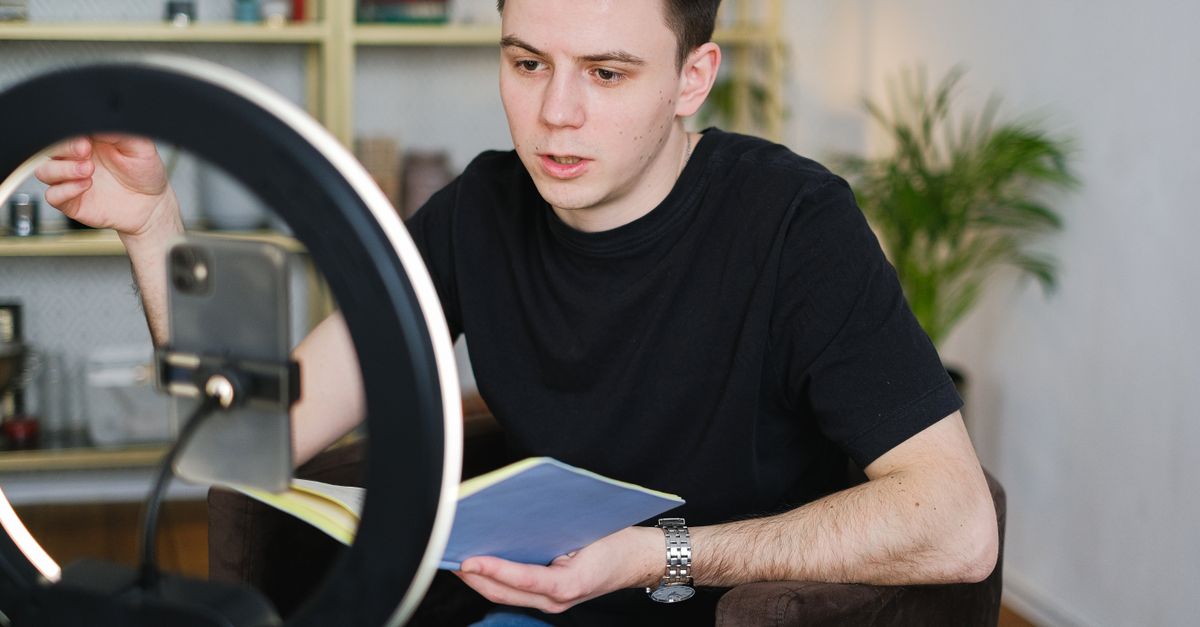
The most successful creators never rely on a single leg to stand on. Typical income sources include:
- Paid brand collaborations – posts, reels, stories, videos. The most visible, but also the most volatile source.
- Barter collaborations – products, services, and experiences instead of money. A gateway to building a portfolio and references for beginning creators; we've broken down exactly how they work in our guide to barter collaboration.
- Affiliate links and discount codes – a commission on every sale. Earnings are based on results, not an agreed-upon fee.
- Ad revenue share – mainly on YouTube; for most creators in Slovakia, this is more of a supplement.
- Subscriptions and direct fan support – membership platforms where loyal audiences pay for exclusive content. With a strong community, this is often a more stable income than collaborations.
- Own products and services – e-books, courses, merch, mentoring. Highest margin, most work.
- UGC creation – content produced directly for a brand's channels, without publishing it on the creator's own profile. Payment is for the video or photos, not for reach.
How much do influencers make by follower count?
TL;DR: As a rough guide: nano creators work on a barter basis or for symbolic amounts, micro influencers earn lower hundreds of euros per post, mid-tier creators earn upper hundreds, and large accounts earn thousands of euros per campaign – but engagement and niche always matter more than the raw number.
The table below summarizes common market ranges in Slovakia. Treat it as a general guide, not a price list. The actual price is always negotiated individually:
| Category | Followers | Typical pay per deliverable | Most common model |
|---|---|---|---|
| Nano | 1,000 – 10,000 | barter up to low tens of € | barter, products, experiences |
| Micro | 10,000 – 50,000 | low hundreds of € | mix of barter and paid posts |
| Mid-tier | 50,000 – 100,000 | upper hundreds of € | paid campaigns, affiliate |
| Macro / celebrity | 100,000+ | thousands of € per campaign | long-term ambassadorships |
From a brand ROI perspective, smaller accounts often come out ahead. We explain why in the article on what a micro influencer is and why brands love them.
How much do UGC creators make compared to influencers?
TL;DR: A UGC creator doesn't earn for reach, but for the content itself – the brand pays for videos and photos it uses in its own channels. This means a UGC creator can earn even with a minimal follower count, typically per individual video or monthly content package.
This is the biggest shift of recent years: brands no longer pay just for an audience, but for content. E-shops need authentic videos for ads and product pages. Restaurants and hotels need footage that sells the experience. A UGC creator delivers exactly that – without needing 100,000 followers.
The payment model is different. Instead of a price "for a post on my profile," payment is for a video, photo set, or content package with usage rights. For the creator, this means more predictable income and less dependence on algorithms. Many Slovak creators today combine both: influencer collaborations on their own profile and UGC jobs for brands. If this path appeals to you, start with the article on who a UGC creator is and how to become one.
How to start earning as an influencer or content creator?
TL;DR: Pick a niche, create consistently, build engagement instead of chasing numbers, and land your first collaborations through barter – a portfolio and references are your ticket to paid jobs.

If you're reading this article as a future creator, here's a practical roadmap:
- Niche before numbers. A narrower focus (food, fitness, traveling around Slovakia, beauty) attracts brands faster than general lifestyle content.
- Consistency. Regular content over several months separates a hobby from an income.
- Barter as a springboard. Your first collaborations in exchange for a product or experience will build the portfolio you'll use to justify later pricing.
- Learn your worth. Track engagement, audience demographics, and collaboration results. These are your arguments when negotiating.
- Diversify. Combine collaborations, affiliate income, and UGC jobs so that losing one source doesn't wipe out your entire income.
You'll find a complete step-by-step process in our guide on how to become an influencer.
How can you get content from influencers and UGC creators for your e-shop or business?
TL;DR: Companies don't need to pay thousands of euros for celebrities – nano and micro creators work on a barter basis or for affordable amounts, and UGC platforms simplify the whole process to just a few clicks: the business posts an offer, creators apply, and the content arrives without lengthy negotiations.
If you've read this far as an owner of an e-shop, restaurant, hotel, or other business, here's the good news: the numbers in this article work in your favor. The best value for money doesn't come from expensive well-known faces, but from smaller creators with engaged audiences. And reaching them is surprisingly easy.
You have two paths. The first is manual outreach: you identify creators, write messages, negotiate terms. It works, but with a larger number of collaborations, it eats up dozens of hours a month. The second path is a UGC platform like CreatorPass, where e-shops and local businesses get content and visits from more than 1,000 vetted creators – either through barter (in exchange for a product or service) or through paid campaigns. You specify what content you need, creators apply on their own, and you choose from specific profiles. You can see how it works in practice on the page for businesses and brands.
Whether you choose the manual route or a platform, the key is to start with nano and micro creators, clearly define the brief, and agree on content usage rights. The UGC that then runs in your ads and on your product pages tends to be the most valuable output of the whole collaboration.
Summary: real numbers instead of myths
TL;DR: Influencer earnings in Slovakia range from barter to thousands of euros per campaign, but stable income relies on diversification – collaborations, affiliate income, subscriptions, and increasingly UGC creation, which rewards content instead of reach.
So how much do influencers make? Exactly as much value as they can deliver – to their audience and to brands. For creators, that's a challenge: build a real relationship with your community and diversify your income sources. For companies, it's an opportunity. It has never been easier or more affordable to get authentic content from people their customers actually trust.
FAQ
Ready to put this into practice?
CreatorPass automates influencer marketing so you can focus on running your business.
Get Started with CreatorPassBrowse by Country
Find Influencers