
Influencers in Slovakia: Overview and Guide for Brands 2026
TL;DR: Influencers in Slovakia are content creators on Instagram, TikTok and YouTube who influence their audience's purchasing decisions. For brands, nano and micro-influencers are the most effective: they have high engagement, local audiences, and often work on a barter basis. You can find them manually, through an agency, or via a UGC platform with verified creators.
Who are influencers in Slovakia and why do they matter?
TL;DR: The Slovak influencer scene ranges from celebrities with hundreds of thousands of followers to thousands of nano creators with local audiences. For brands, the key point is that a recommendation from an influencer works like a tip from a friend. That's exactly why it carries more trust than traditional advertising.
When people hear "influencers in Slovakia," most think of the familiar faces from the rankings: TV hosts, athletes, YouTubers, Instagram stars. But that's just the tip of the iceberg. The real scene is made up of thousands of creators filming recipes, workouts, travel, fashion, parenting, or visits to local businesses. And audiences trust them precisely because they come across as regular people, not billboards.
For brands, that's a crucial difference. The Slovak market is small and community-driven. People make decisions based on recommendations, reviews, and what they see from people they follow. Influencer marketing here isn't about buying reach — it's about building trust. The full mechanics are covered in depth in our complete guide to influencer marketing.
One more thing: an influencer isn't the same as a UGC creator. An influencer publishes on their own profiles and sells their influence. A UGC creator produces content for a brand — videos and photos the company then uses on its website, social media, or in ads. In Slovakia these roles increasingly overlap, and many creators offer both.
What types of influencers exist in Slovakia?
TL;DR: Influencers are categorized by audience size into nano (up to ~10,000 followers), micro (~10,000–50,000), mid-tier creators, and macro influencers up to celebrities. The smaller the audience, the higher the engagement and the lower the cost. That's why most Slovak businesses get the best value from nano and micro-influencers.
A list of names won't tell you much. It's more useful to understand the categories, since each suits a different goal:
| Type | Audience size (approximate) | Typical compensation | Best use case |
|---|---|---|---|
| Nano influencer | up to ~10,000 | barter or small fees | local businesses, authentic reviews, UGC content |
| Micro-influencer | ~10,000–50,000 | barter + smaller fees | e-shops, niche products, building trust |
| Mid-tier creator | ~50,000–200,000 | hundreds of euros per piece | product launches, regional reach |
| Macro / celebrity | 200,000+ | high hundreds to thousands of euros | mass brand awareness, image campaigns |
Slovakia has one quirk: the "macro" tier is narrow, since the market simply doesn't have tens of millions of users. That makes the nano and micro tier all the more powerful. Creators with followers from a specific town or region can genuinely bring people into a restaurant, a gym, or an e-shop. We cover why brands love this category specifically in our article on what a micro-influencer is and why it works.
The strongest niches by topic are food and food blogging, fitness and healthy lifestyle, fashion and beauty, travel within Slovakia, parenting, finance, and lifestyle. One rule holds true: topical fit matters more than audience size. A fitness creator with 8,000 followers will sell protein powder better than a celebrity with 300,000 followers who's never talked about fitness.
Which platforms do Slovak influencers use?
TL;DR: Instagram remains the main platform for Slovak influencers, TikTok is growing fastest especially among younger audiences, and YouTube holds the long-format content and the most loyal communities. For most campaigns today, short vertical videos — Reels and TikToks — are key.

Instagram is still number one for the Slovak scene. Stories work great for instant recommendations ("we were here, you should go"), while Reels extend reach beyond a creator's own followers. For food, beauty, fashion and lifestyle, Instagram is practically mandatory.
TikTok is growing the fastest, and its algorithm favors small creators too. A video from a nano influencer can organically reach hundreds of thousands of people. If you're targeting Gen Z and young millennials, TikTok is often more effective than Instagram.
YouTube remains the home of long-form content: vlogs, reviews, podcasts. Collaborations cost more, but the content stays relevant for years and viewers give it their full attention.
The practical takeaway: short vertical video is king. When ordering content from an influencer or a UGC creator, ask for a format that works across platforms. For exactly what such a video should look like and contain, see our overview of what a UGC video is and how it should look.
How much does collaborating with influencers in Slovakia cost?
TL;DR: Prices range from pure barter (a product or service in exchange for content) with nano creators to thousands of euros with celebrities. What matters is audience size, engagement, format, and content usage rights. For small businesses, the cheapest entry point is barter or a monthly UGC platform subscription.
There's no official price list, and ranges are wide. Still, a few principles can guide you:
- Nano and micro creators often work on a barter basis: a dinner, a stay, a product from your e-shop. For how to set up barter so it works for both sides, see our guide on what barter collaboration is and how it works.
- Paid collaborations with smaller creators typically run in the low hundreds of euros per piece of content. For bigger names, prices climb quickly.
- Content usage rights push the price up. If you want to use an influencer's video in your own ads, expect an extra fee — or order UGC content specifically intended for your channels instead.
- Long-term collaborations work out cheaper per piece of content and feel more trustworthy than one-off posts.
Curious about the other side of the coin — how much Slovak creators actually earn? Check out our overview of how much influencers earn in Slovakia.
How do you find influencers in Slovakia for your e-shop or business?
TL;DR: Businesses have three options: manual search (free but slow), an agency (suited to large budgets), or a platform where verified creators apply to campaigns themselves. For e-shops and local businesses, a platform is usually the fastest way to get content and foot traffic without hours of searching and messaging.
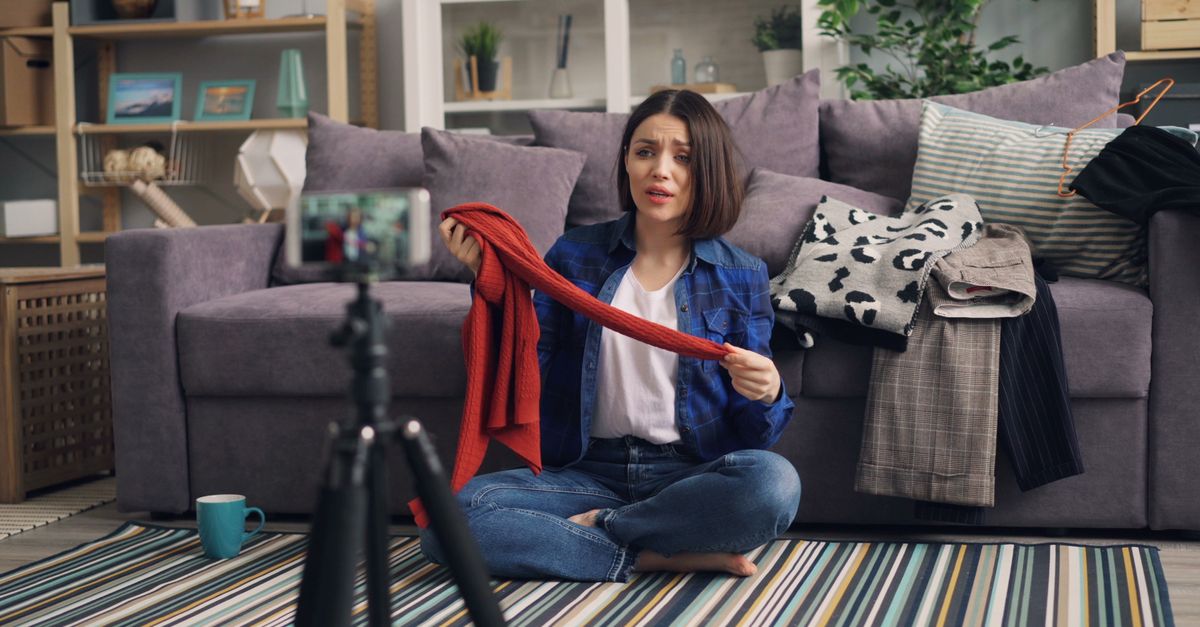
Do you run an e-shop, a restaurant, a hotel, a salon, or a gym? Then this section is for you. The most common mistake Slovak businesses make isn't skipping influencer marketing entirely — it's doing it haphazardly: messaging one or two creators, getting no reply, or paying for a post with no results, and giving up.
Route 1: manual. Search by hashtags (#slovenskyinstagram, #gastroslovensko, and similar), location, and the "similar accounts" feature. Then you message people, negotiate terms, track deadlines, and collect deliverables. It works — but if you're doing more than a couple of collaborations a month, it'll eat up dozens of hours.
Route 2: agency. Makes sense for big campaigns with celebrities and six-figure budgets. For a small e-shop or restaurant, it's usually overkill. You'll find a comparison of both approaches in our article on agency vs. platform.
Route 3: platform. You post a campaign — barter or paid — and verified creators apply to you. On CreatorPass, a community of more than 1,000 verified creators across the region, including Slovakia, works exactly this way: you set what you're offering and what content you need, and instead of searching, you simply pick from the creators who've applied. An e-shop gets a steady stream of authentic videos and reviews; a local business gets visits from creators with real local audiences. No per-collaboration commissions — just a fixed monthly subscription.
Whichever route you choose, remember: judge engagement and comment quality, not follower count. Give the creator a clear brief, but don't dictate a word-for-word script. And always agree on content usage rights upfront.
What should you watch out for when working with influencers?
TL;DR: The three most common risks are fake followers, missing ad disclosure, and an unclear brief. Check engagement, insist on proper disclosure of the collaboration, and agree in advance on format, deadline, and content rights — ideally in writing.
Fake followers. Bought audiences give themselves away through mismatched numbers: lots of followers, few likes, generic comments. Before collaborating, scroll through the last 10–15 posts and check whether the comments look like a real community.
Ad disclosure. Both paid collaborations and barter deals count as advertising and must be disclosed — with a hashtag like #ad or #collaboration, or the paid partnership feature within the app. Undisclosed advertising is a risk for both the creator and your brand, so spell it out directly in the brief.
Unclear expectations. Agree in advance on the number and format of deliverables (Reels, Stories, TikToks, photos), the publishing date, the key messages that need to come through, and whether you're allowed to reuse the content on your own channels. A good brief is short: what the product is, who it helps, and what must not be left out. Leave the rest to the creator's creativity — authenticity is exactly why content from influencers and UGC creators outperforms polished ads.
One-off collaborations. A single post from a single influencer rarely changes much. Influencer marketing in Slovakia works best as a system: more small creators, repeated, over time. Ten micro-influencers for the price of one celebrity gives you ten different audiences, ten pieces of authentic content, and far more stable results.
The Slovak influencer scene is more accessible today than ever before. You don't need a corporate-sized budget — you just need to know who to work with, for what, and with what kind of brief. And now you do.
FAQ
Ready to put this into practice?
CreatorPass automates influencer marketing so you can focus on running your business.
Get Started with CreatorPassBrowse by Country
Find Influencers