
UGC Content Creator: What They Do & How to Become One

TL;DR: A UGC content creator is a freelancer who produces authentic, customer-style photos and videos — reviews, unboxings, tutorials — that brands publish on their own channels and in ads. Unlike influencers, UGC creators are paid for the content itself, not for reach, so no follower count is required to start or to hire one.
"UGC content creator" has become one of the most searched roles in the creator economy. People want to become one. Brands want to know who they're supposed to hire. This guide answers both: what the job actually involves, how it differs from influencing, how to start with zero followers, what the work pays, and how a business gets this kind of content made.
What does a UGC content creator actually do?
TL;DR: A UGC content creator plans, shoots and edits short-form content that looks like it came from a real customer — talking-head reviews, unboxings, how-to demos, before/afters — and delivers the files to the brand, which publishes them on its own social accounts, website, marketplace listings or paid ads.
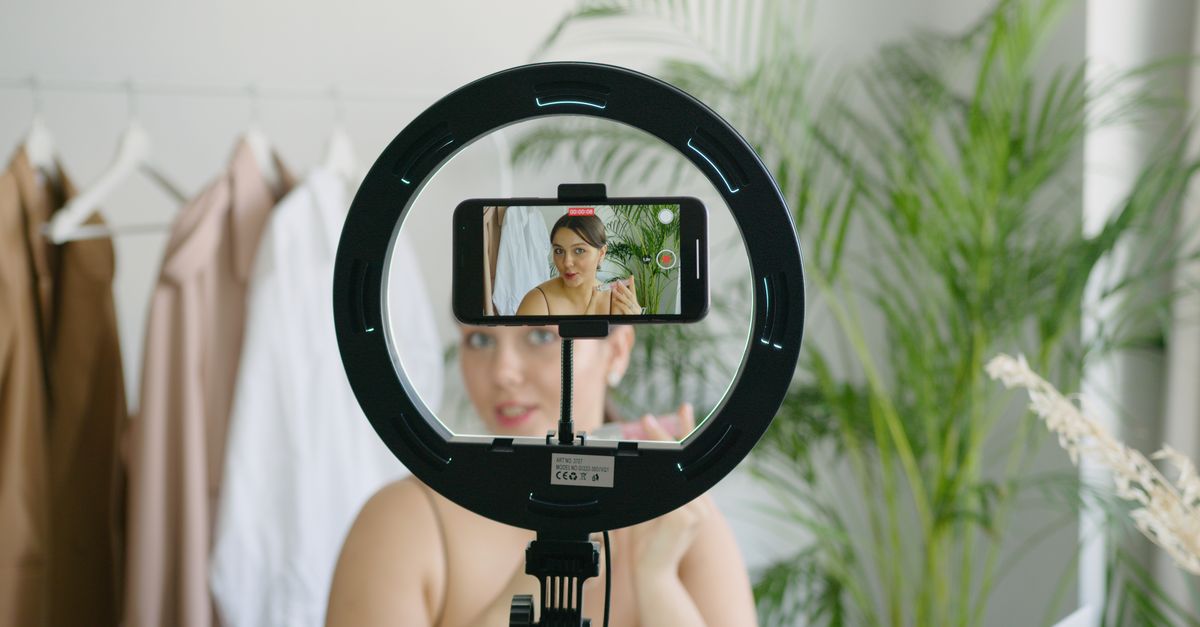
The day-to-day looks less like "being famous online" and more like running a small video production studio from a phone:
- Reading briefs. Brands specify the product, the angle, the target audience, and where the content will run.
- Scripting hooks. The first two seconds decide whether anyone keeps watching, so creators write and test multiple opening lines per concept.
- Shooting. Usually on a smartphone, in real settings — a kitchen, a car, a bathroom shelf. Polished studio footage defeats the purpose.
- Editing. Cutting to pace, adding captions, matching platform conventions (vertical 9:16, native text styles).
- Delivering files, not posts. This is the defining trait. The creator hands over the video; the brand publishes it wherever it wants, within the agreed usage rights.
The formats brands order most: testimonial-style reviews, unboxings, tutorials and demos, "3 reasons I love this" listicles, before/after transformations, and voiceover b-roll for ads. To see how these videos are built shot by shot, our breakdown of the UGC video format, structure and cost goes deeper.
UGC content creator vs influencer: what's the difference?
TL;DR: An influencer sells access to their audience — brands pay for reach and trust with their followers. A UGC content creator sells the content itself — brands pay for videos and photos to use on their own channels. Followers matter for influencers; production skill matters for UGC creators.
The two roles overlap in style but not in business model. Confusing them leads to bad hires and bad pricing on both sides.
| UGC content creator | Influencer | |
|---|---|---|
| What the brand buys | Content files (videos, photos) | Distribution to an audience |
| Where it's published | Brand's channels, ads, website | Creator's own profiles |
| Follower count | Irrelevant | Central to pricing |
| Priced by | Per asset + usage rights | Reach, engagement, format |
| Disclosure | Usually labelled as an ad by the brand when used in paid media | Creator must disclose the partnership on their post |
| Best for | Ad creative, social proof, product pages, always-on content | Awareness, credibility transfer, launches |
Many creators do both. A micro influencer with 8,000 followers might post a sponsored reel *and* deliver three extra videos for the brand's own ads. Fine — but the deliverables, rights and fees should always be negotiated as separate line items.
One more distinction worth naming: UGC made by hired creators is technically brand-commissioned content in a user-generated style. Organic UGC — a genuine customer posting unprompted — still exists and still matters. The full picture is in our guide to what UGC really means.
How to become a UGC content creator with no followers
TL;DR: Start by making 3–5 practice videos about products you already own, assemble them into a simple portfolio, then pitch through UGC platforms and creator marketplaces rather than cold DMs. Your first collaborations will often be barter deals; paid work follows once you have real brand examples.

Since follower count doesn't matter, the barrier to entry is genuinely low. The barrier to *getting hired* is a portfolio. The realistic path:
- Make spec content first. Pick products you already use — a skincare item, a kitchen gadget, an app — and film honest review-style videos as if a brand had briefed you. Nobody has to have paid you for it to count as portfolio material.
- Learn the anatomy of a converting video. Hook (0–2s), problem (2–7s), product as solution, proof or demo, call to action. Study the ads you *don't* skip and reverse-engineer why.
- Build a one-page portfolio. A simple link with 3–5 videos, your niches, and how to reach you. Vertical video, captions on, real energy.
- Join platforms instead of cold-pitching. Marketplaces and UGC platforms aggregate demand and handle briefs and payments — better odds than a hundred unanswered DMs. Our guide to finding UGC creator jobs lists where the actual work is.
- Say yes to barter early. Trading content for products, restaurant visits or hotel stays is how most creators land their first real brand examples. And real-brand examples are what unlock paid rates.
- Specialise as you grow. Creators who own a niche — fitness, food, beauty, home — get rehired more, because brands want someone who credibly belongs in the category.
The skills that compound fastest: copywriting (hooks and scripts), basic editing, and reliability. Brands rehire the creator who delivers on time and follows the brief far more often than the most cinematic shooter.
How much do UGC content creators make?
TL;DR: UGC creators are paid per asset, not per follower. Earnings depend on experience, niche, market and — critically — usage rights: content licensed for paid ads costs more than organic-only content. Beginners often start with barter collaborations before moving to per-video fees and retainer packages.
There is no single rate card. Anyone quoting one universal number is guessing. What actually drives income:
- Experience and proof. Creators who can show their videos performed as ads command significantly more than beginners.
- Usage rights. Organic-only use is the baseline. Paid ad usage, whitelisting, and long or perpetual licence terms get priced on top — and this is the single most common negotiation mistake on both sides.
- Deliverable scope. One 30-second video is one price. A package with multiple hook variations, raw footage and photos is another.
- Niche and market. Finance, health and B2B briefs typically pay more than generic lifestyle content, and rates differ meaningfully between markets.
- Volume relationships. Full-time UGC creators stabilise income through monthly retainers with two or three brands, not by chasing one-off gigs.
Barter deserves a fair mention. For creators in food, travel, beauty and fitness, barter collaborations — content in exchange for products, meals, treatments or stays — work both as a portfolio-building tool and a genuine ongoing perk, often running alongside paid work rather than instead of it.
How can brands get UGC content for their e-shop or business?
TL;DR: Brands get UGC by briefing hired creators through a platform or marketplace: define the product angle, format, and usage rights, then work with several creators in parallel, because volume and variation — not one perfect video — is what makes UGC perform in ads and on product pages.
On the buying side, the playbook is practical:
- Decide where the content will live first. Meta and TikTok ads, organic social, product detail pages, marketplace listings — the destination dictates format, length and the usage rights you need to license.
- Brief tightly, direct loosely. Give creators the product truths, the target customer and the mandatory points, then let them phrase it their way. Over-scripted UGC reads as an ad and loses the entire advantage.
- Order variation, not perfection. Several creators, several hooks, several angles — then let performance data pick the winners. One expensive hero video is the opposite of the UGC playbook.
- Lock usage rights in writing. Channels, paid vs organic, territory, duration. Before the shoot, not after the video takes off.
- Use a platform instead of manual outreach. Finding, vetting, briefing and chasing creators one by one is where UGC programs die. A platform like CreatorPass connects e-shops, restaurants, hotels and other local businesses with 1,000+ vetted creators for barter or paid campaigns — a steady pipeline instead of a one-off scramble.
For e-commerce specifically, UGC does double duty: it feeds your ad account with fresh creative and stacks social proof on product pages, the two places where authentic-looking content most directly moves conversion.
What makes a good UGC content creator (for both sides)
TL;DR: The best UGC creators combine authenticity on camera with disciplined execution: strong hooks, clean audio, on-time delivery and brief adherence. Brands should judge portfolios by structure and believability, not production polish — and creators should optimise for being rehired, not for going viral.
Hiring or getting hired, the quality markers are the same:
- Believability. The video should feel like a recommendation from a friend, not a commercial. Too produced, and it underperforms.
- Hook discipline. Good creators deliver multiple opening variations, because the first seconds carry the whole video.
- Platform nativeness. Vertical framing, native captions, trending-but-appropriate pacing. Content that looks imported from another platform gets scrolled past.
- Communication. Confirming briefs, flagging problems early, delivering on the agreed date. This is where amateurs and professionals actually diverge.
- Rights clarity. Professionals on both sides put usage terms in writing before filming.
The deeper definitional territory — where the role came from and where it's heading — is mapped in our definitive guide to what a UGC creator is. The short version: the role exists because audiences trust people more than they trust brands, and that trust gap isn't closing. As long as it holds, UGC content creators remain one of the most practical entry points into the creator economy, and one of the most cost-effective content sources a business can buy.
FAQ
Ready to put this into practice?
CreatorPass automates influencer marketing so you can focus on running your business.
Get Started with CreatorPassBrowse by Country
Find Influencers