
Influencer Marketing with Tomoson for Small Business: 2026 Guide
TL;DR: Tomoson made influencer marketing accessible to small businesses through product-for-review deals with micro-influencers — but the platform is no longer the force it once was. The model still works brilliantly in 2026: use a modern creator marketplace to run barter or paid collaborations, keep the content rights, and reuse everything in your own marketing.
What was Tomoson and why did small businesses love it?
TL;DR: Tomoson was a marketplace connecting brands with micro-influencers and product reviewers. Small businesses loved it because campaigns ran on product cost instead of cash budgets, applications came to them instead of requiring cold outreach, and one listing could generate dozens of reviews and posts.
You probably found the name Tomoson in an older marketing guide, a podcast, or a forum thread pitching it as the cheap way into influencer marketing. Fair enough. It earned that reputation. The core idea was simple and genuinely small-business-friendly: skip the agency, skip the one-by-one cold emails. List your product on a marketplace, let interested creators apply, pick who to work with. If you are new to the channel, our complete guide to what influencer marketing is and how it works covers the fundamentals a tool like this sits on top of.
The exchange was usually product-for-review. You shipped your product; the creator published a review, a social post, or a video. For a small e-shop with more inventory than marketing budget, that was a revelation. Influencer marketing suddenly cost roughly what the product cost to make, plus shipping.
Tomoson also bet on micro-influencers before it was fashionable. Instead of chasing celebrities, small businesses worked with creators who had smaller but engaged, niche audiences. The math fit small business economics perfectly: ten micro-collaborations for the price of products beats one expensive post from someone whose audience mostly isn't your customer. We've covered the platform's history and mechanics in more depth in our practical guide to Tomoson and power influencer marketing.
Is Tomoson still a good option for small business influencer marketing?
TL;DR: For most small businesses, no — Tomoson is widely reported to be inactive or a shadow of its former self, and the influencer marketing landscape has moved on. Treat Tomoson as a blueprint: the product-for-review marketplace model it pioneered now lives on in newer, more automated platforms.
Here's the honest answer most articles dance around: go looking for Tomoson today expecting a thriving marketplace and you'll likely be disappointed. Many marketers report the platform is no longer actively maintained the way it was in its heyday, and influencer marketing in 2026 looks nothing like the world Tomoson was built for.
What's changed since Tomoson's peak:
- UGC became the point, not just reach. Brands discovered that the content creators produce — authentic photos and videos — is often worth more than the creator's own audience, because it can run in ads, on product pages, and across social channels indefinitely. New to the concept? Start with what UGC is and why brands build their marketing on it.
- Short-form video took over. Reels and TikToks now drive discovery in a way blog reviews never did.
- Vetting became essential. Open marketplaces filled up with low-quality applicants and freebie hunters. Modern platforms curate their creator pools.
- Automation matured. Briefs, applications, approvals, and delivery tracking now run through software instead of email threads and spreadsheets — see how to automate influencer marketing for what that workflow looks like.
So the right question isn't "how do I use Tomoson?" It's "how do I run the Tomoson playbook with today's tools?"
How does the product-for-review model actually work?
TL;DR: The Tomoson-style model is a barter collaboration: you give a creator your product or service for free, and they deliver content — a review, post, or video — in return. The full cycle runs from listing your offer, through creator applications and selection, to content delivery and reuse.

Strip away the branding and Tomoson-style influencer marketing is a five-step loop any small business can run:
- Create an offer. Describe your product or service, what content you want (e.g., one Reel plus three photos), and any must-mention points.
- Receive applications. Creators who like the offer apply. This flips the dynamic — no cold outreach, no ghosted DMs.
- Select creators. Check their content quality, audience relevance, and past collaborations. Content quality beats follower count, because you'll be reusing that content.
- Ship or host. E-shops send products; restaurants, hotels, salons, and gyms host visits (the experience *is* the product).
- Collect and reuse the content. The post goes live to the creator's audience, and — if rights are agreed — the photos and videos flow into your own ads, website, and social channels.
No cash changes hands in the basic version, which makes it technically a barter deal. For the full mechanics, deliverables, and legal basics, read our guide to barter collaboration and how it works in 2026.
One crucial upgrade versus the old Tomoson era: negotiate content usage rights upfront. In the 2010s, the review was the deliverable. In 2026, the reusable content is often worth more than the post itself.
What should a small business look for in a Tomoson alternative?
TL;DR: Judge any Tomoson alternative on four things: vetted creators (not open sign-up), support for both barter and paid campaigns, built-in content usage rights, and workflow automation. Also confirm the platform's creators actually live in your market.
Creator marketplaces are not all equal, and the failure modes are predictable. Here's how the main options for a small business compare:
| Approach | Typical cost | Content rights | Effort required | Best for |
|---|---|---|---|---|
| Manual outreach (DMs, email) | Free + product cost | Negotiated case by case | Very high | Businesses with lots of time, tiny budgets |
| Open marketplace (Tomoson-style) | Low subscription + product | Often unclear | Medium–high (you filter quality yourself) | Volume experiments, thick skin required |
| Vetted creator platform | Monthly subscription + product/fees | Usually built into terms | Low (applications, briefs, tracking handled) | Small businesses that want predictable quality |
| Influencer agency | High retainers/project fees | Negotiated | Low | Bigger brands with real budgets |
Four criteria matter most:
- Vetting. Open sign-up marketplaces attract applicants who want free products and deliver a blurry photo — or nothing. A curated creator pool saves you from becoming your own quality-control department.
- Barter and paid in one place. Start with product-for-content deals, then pay the creators whose content actually converts. A platform that supports both lets you scale without switching tools.
- Content rights by default. The platform's terms should make it clear you can reuse delivered content in your marketing.
- Automation. Applications, briefs, deadlines, and delivery confirmation should run themselves. Managing collaborations in a spreadsheet means you've just bought yourself a second job.
How can your e-shop or local business get UGC and influencer content today?
TL;DR: Run the modern version of the Tomoson playbook: join a vetted creator platform, publish a barter or paid offer, select from creator applications, and reuse every delivered photo and video in your ads and product pages. Platforms like CreatorPass make this a subscription workflow rather than a manual grind.
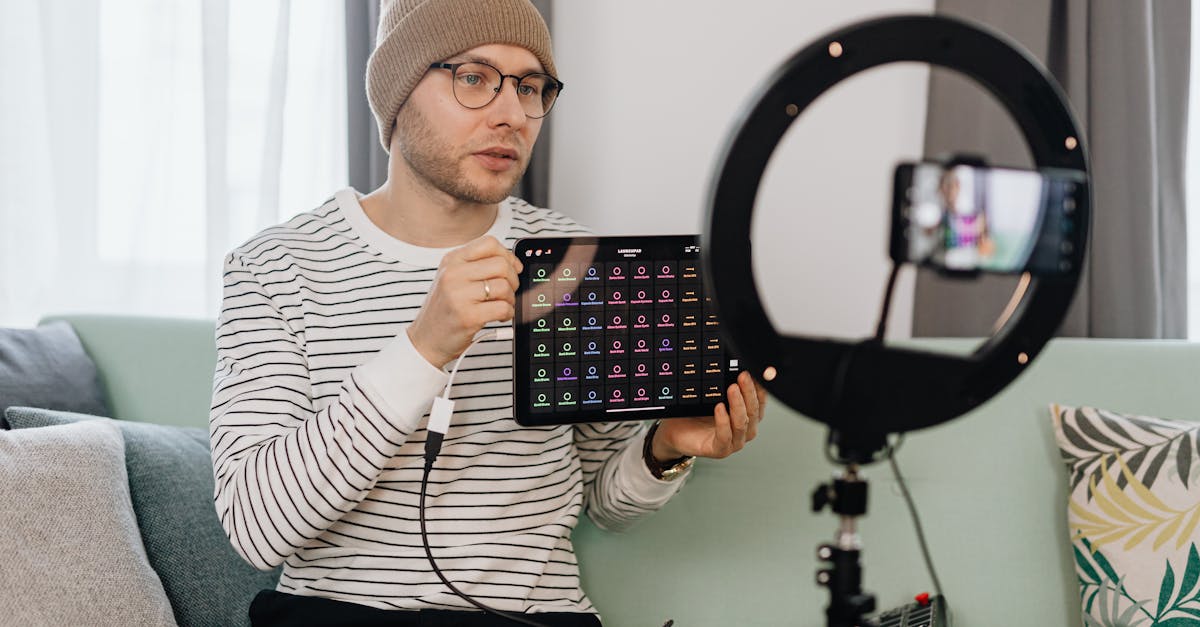
For e-shops and local businesses — restaurants, hotels, beauty studios, gyms, retail shops — here's the practical 2026 version of what Tomoson used to offer:
- E-commerce: list your product as a barter offer. Creators apply, you ship, and you receive short-form videos and photos to run as ads and embed on product pages. Authentic creator content consistently outperforms polished studio shots for social proof.
- Local businesses: invite creators to visit and experience your service. The visit is the barter; the content is the return. Restaurants, hotels, and salons are natural fits because the experience photographs and films beautifully.
- Scaling up: once you know which creators and content styles convert, layer in paid campaigns for guaranteed deliverables and bigger reach.
This is exactly the gap CreatorPass was built to fill: a platform where 150+ businesses across Central and Eastern Europe get UGC content and creator visits from a pool of 1,000+ vetted creators — in barter or as paid campaigns, with plans starting from €89/month. You publish an offer, creators apply, you choose, content arrives. The Tomoson idea, rebuilt for the short-form video era with vetting and rights handled.
Whichever platform you pick, start small. One offer, three to five creators, clear deliverables. Measure what the content does in your ads and on your product pages before scaling.
Common mistakes small businesses make with Tomoson-style campaigns
TL;DR: The classic failures are picking creators by follower count instead of content quality, skipping usage rights, writing scripts instead of briefs, and treating one collaboration as a verdict on the whole channel. Influencer marketing for small businesses is a volume-and-iteration game.
Some hard-earned lessons from the product-for-review trenches:
- Don't select by follower count. For a small business, reusable content and audience relevance matter far more than raw reach. A local creator with a modest following can drive more customers than a distant one with ten times the audience.
- Don't skip rights. No reuse agreement means you can't legally run that great video as an ad. Fix this before the collaboration starts, not after.
- Brief, don't script. Tell creators what must be true (product name, key benefit, call to action) and let them speak in their own voice. Scripted content reads as fake and performs like it too.
- Don't judge the channel on one deal. Some collaborations will underdeliver. That's normal in any marketplace model. Run several, keep the creators who perform, drop the rest. Consistency compounds; one-offs don't.
- Actually reuse the content. The single biggest waste in barter campaigns is letting delivered photos and videos rot in a folder. Put them in ads, on product pages, in email — that's where the ROI lives.
Tomoson's real legacy isn't the platform. It's the proof that small businesses don't need agency budgets to do influencer marketing. The model it popularized is now easier, faster, and higher-quality than it ever was. You just need the current tools to run it.
FAQ
Ready to put this into practice?
CreatorPass automates influencer marketing so you can focus on running your business.
Get Started with CreatorPassBrowse by Country
Find Influencers